Know Who to Contact for Your Local Heating Repairs
Understanding the importance of having a reliable contact for heating repairs is crucial for ensuring comfort and safety during the colder months. When temperatures drop, a malfunctioning furnace or heat pump can turn a cozy indoor environment into an uncomfortable and hazardous situation. Navigating the process of identifying issues, conducting thorough research on local contractors, and evaluating technician credentials allows homeowners to make informed decisions. Establishing a relationship with a dependable HVAC service provider ensures prompt intervention when unexpected breakdowns occur.
Assessing System Needs
A crucial starting point in managing your home heating system is accurately identifying common performance issues as soon as they arise. Most homeowners will periodically encounter standard mechanical or electrical problems, including dirty filters, erratic thermostat readings, faulty pilot lights, or failing ignition controls. Catching these early symptoms prevents cumulative stress on internal components, ultimately avoiding costlier system breakdowns down the road. Basic diagnostic knowledge allows you to communicate efficiently with technicians, leading to faster service calls and precise troubleshooting.
When faced with a malfunctioning unit, homeowners must carefully evaluate whether to repair or replace their existing equipment. This decision relies on several factors, including the age of the unit, overall damage severity, and cumulative historical repair expenses. According to Carrier, heat pumps generally last 10 to 15 years, depending on usage, climate, and maintenance. If your equipment falls within this age bracket and requires frequent, costly interventions, investing in a modern high-efficiency replacement often proves far more economical than paying for ongoing patch-up work.
Before placing a service call, evaluate the overall urgency of the problem to prioritize your request properly. A complete loss of heat during freezing conditions constitutes a true emergency that requires immediate intervention to protect plumbing pipes and household occupants. Conversely, minor issues like occasional faint noises or slight room temperature variances offer greater flexibility when scheduling an appointment. Documenting error codes, specific symptoms, and operational patterns provides valuable context that helps technicians arrive fully prepared with the necessary replacement parts.
Researching Local Services
In today's digital landscape, online research tools provide an ideal foundation for identifying reputable local contractors. Platforms such as Google Maps and Yelp display extensive service listings alongside direct customer feedback, enabling you to gauge overall reputation, proximity, and operational history. Additionally, checking independent consumer defense portals like the Better Business Bureau offers transparent insight into how companies handle customer complaints and uphold ethical business practices. Combining these digital resources yields a dependable shortlist of qualified local professionals.
Social media networks and community forums have also evolved into valuable platforms for evaluating service quality. Local neighborhood groups on sites allow residents to share real-time feedback and personal recommendations regarding their recent experiences with local contractors. Viewing dynamic photos of completed installations, reading authentic client testimonials, and interacting directly with former customers provides transparent, unfiltered perspectives. These direct community insights complement traditional review platforms by highlighting pricing consistency, promptness, and general professionalism.
Beyond customer reviews, examining official company websites reveals vital details regarding business legitimacy and technical expertise. A reputable contractor clearly displays trade license numbers, insurance policies, technical certifications, and comprehensive service guarantees directly on their site. Highlighting credentials from recognized industry standards boards demonstrates a commitment to ongoing staff training and superior service delivery. Take time to review candidate websites for clear pricing structures, detailed service offerings, and helpful maintenance advice before making your final selection.
Evaluating Professional Qualifications
Verifying technician credentials is essential when selecting a service provider to work on complex residential electrical and mechanical systems. Highly qualified professionals generally hold certifications from respected organizations like North American Technician Excellence or HVAC Excellence. These rigorous credentials verify that the individual possesses advanced diagnostic knowledge, adheres to modern safety standards, and understands cutting-edge heating technologies. Prioritizing certified professionals guarantees that your system is diagnosed accurately and repaired safely without risking voided equipment warranties.
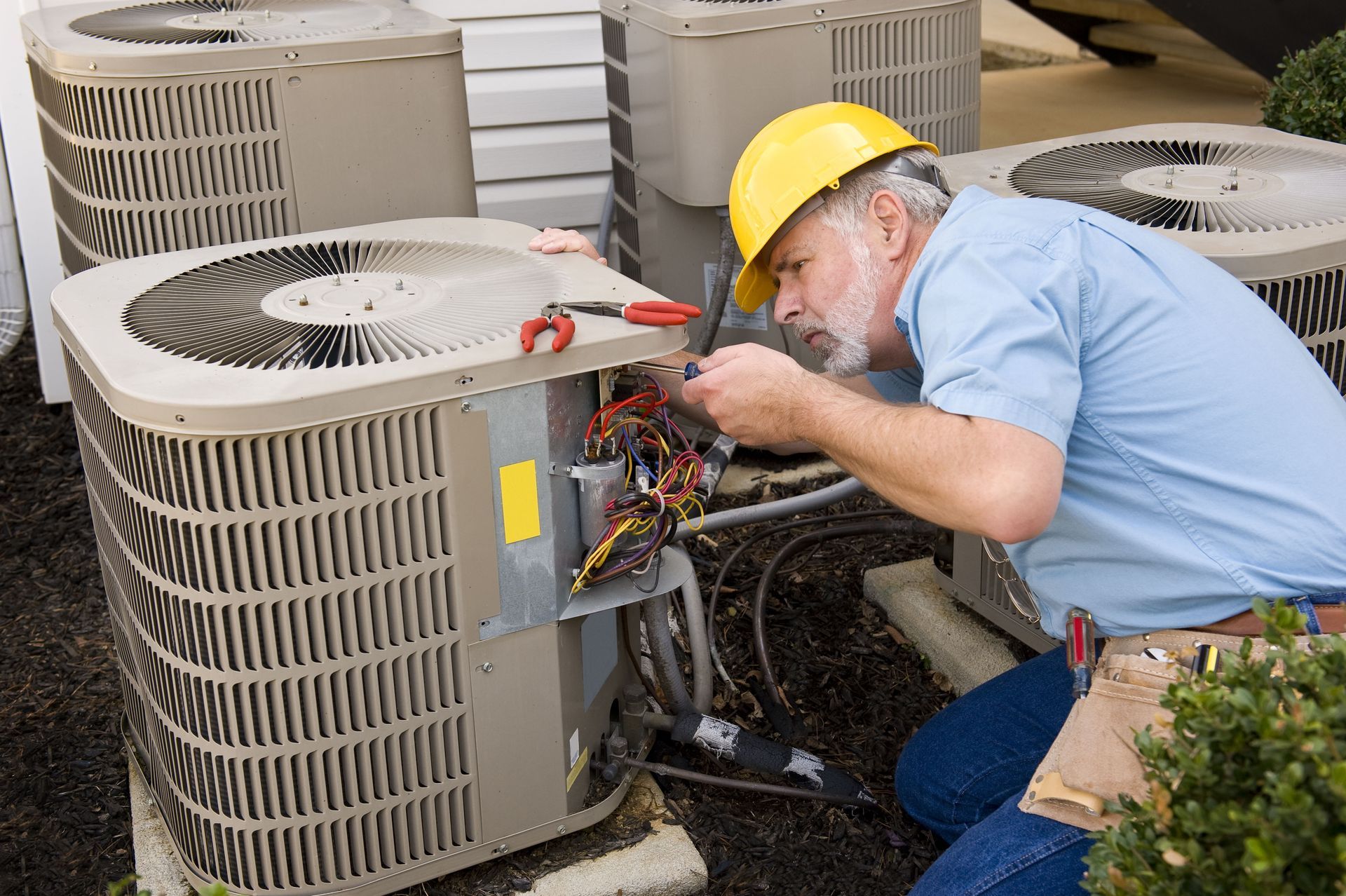
Technician experience plays a vital role in resolving persistent or unusually complex equipment failures. Experienced technicians bring years of practical field knowledge, enabling them to troubleshoot tricky electrical issues, complex circuit board failures, or subtle refrigerant leaks with speed and precision. Furthermore, skilled professionals exhibit outstanding communication habits, taking the time to explain the underlying cause of a breakdown and outlining all available repair strategies clearly. This level of transparency fosters long-term trust and ensures you remain fully informed throughout the process.
Carefully comparing detailed cost estimates prevents unexpected financial surprises once the job is finished. Trustworthy service providers deliver clear, itemized quotes that outline labor rates, replacement part costs, permit fees, and warranty coverage prior to beginning any work. Always ask about inclusive labor warranties and parts guarantees, as companies confident in their workmanship will readily back their services for a specified period. Scrutinizing these terms ensures you receive maximum value while protecting your investment against premature component failures.
Scheduling Regular Servicing
Establishing a consistent preventive maintenance schedule is the single most effective way to maintain system performance and extend unit longevity. Heating equipment should ideally undergo comprehensive professional tune-ups twice a year, once in the spring for cooling systems and once in the autumn for heating components. Routine inspections allow technicians to clean burner assemblies, test safety controls, lubricate moving parts, and inspect heat exchangers for dangerous cracks, stopping minor wear and tear from turning into major breakdowns.
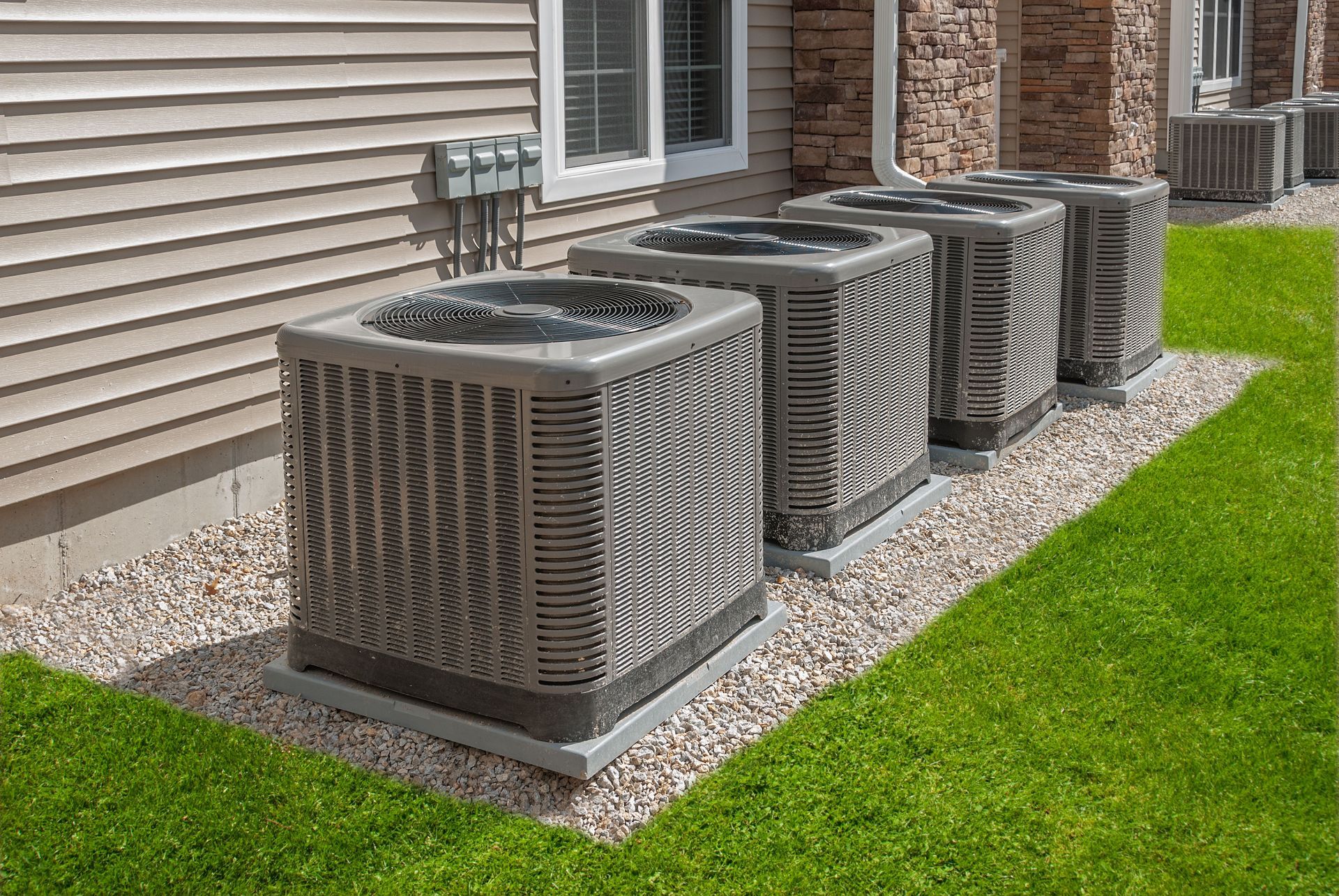
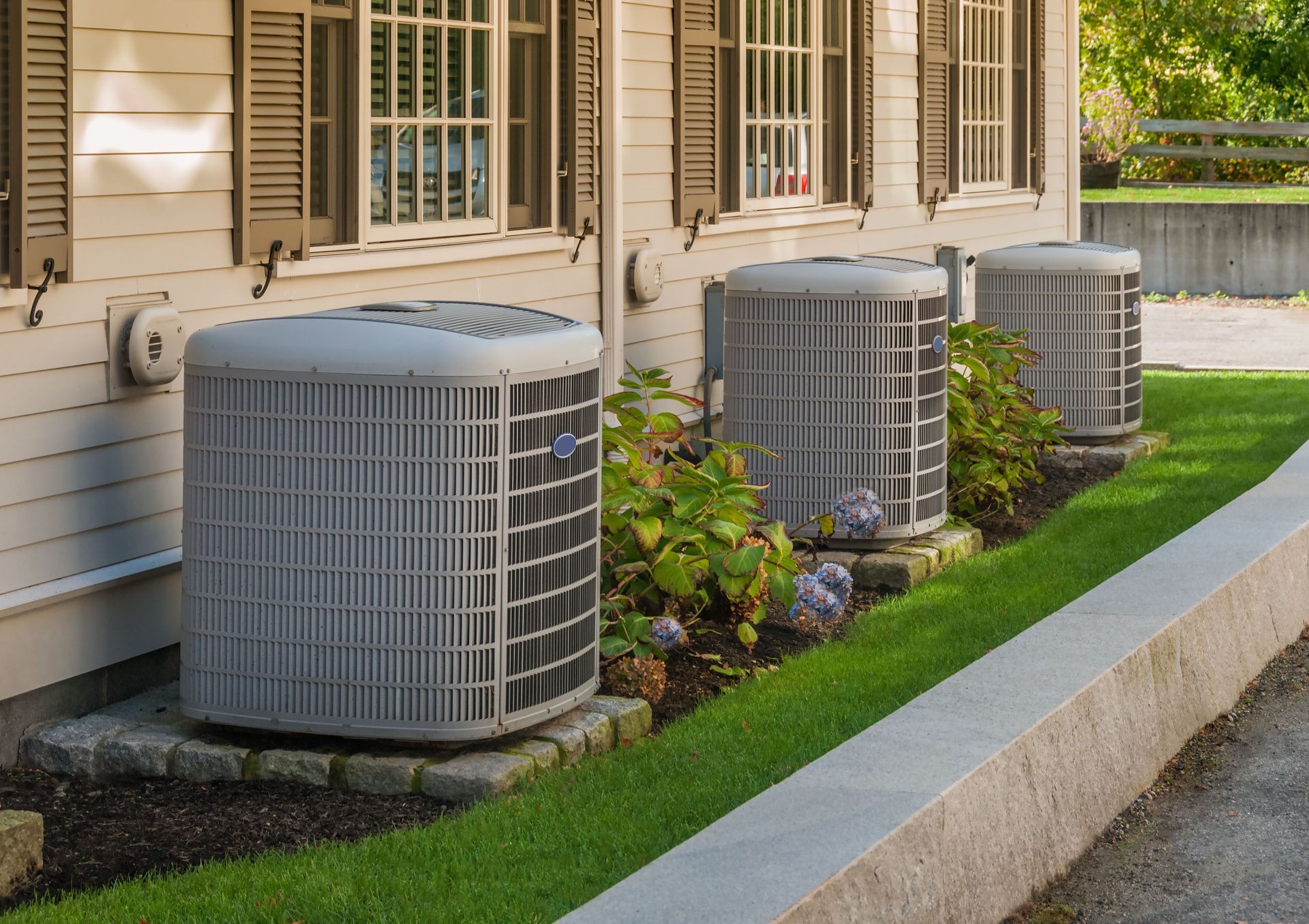
In addition to scheduling professional tune-ups, performing basic homeowner maintenance significantly reduces strain on your system. Frequently changing return air filters, keeping supply vents unblocked, and maintaining clean clearance around exterior heat pump units ensure unrestricted airflow. Restricted airflow forces blower motors to work significantly harder, dramatically increasing monthly utility costs and risking premature component overheating. Simple routine tasks preserve energy efficiency while maintaining healthier indoor air quality for your household throughout the year.
Viewing ongoing maintenance as an essential investment rather than an optional chore yields substantial long-term financial savings. Well-maintained equipment operates at peak fuel efficiency, keeping monthly heating bills low even during periods of extreme winter cold. Furthermore, adhering to documented annual maintenance schedules is a mandatory requirement for maintaining active factory warranty coverage on most major equipment brands. Committing to regular servicing preserves system reliability, protects your equipment warranties, and provides consistent indoor comfort season after season.
Adapting to Seasonal Shifts
Seasonal transitions place unique demands on residential climate systems, making thorough seasonal preparation necessary. Systems that have remained completely idle throughout the mild summer and autumn months can struggle or fail if forced into intense operation without prior inspection. Inspecting ductwork, verifying thermostat calibration, and testing emergency heat modes before cold weather hits helps uncover latent electrical or mechanical faults early. Taking these proactive measures guarantees that your system delivers dependable warmth the very first time you turn on your thermostat.
Fluctuating outdoor temperatures directly impact system efficiency, requiring homeowners to adjust settings for optimal comfort and economy. Installing smart programmable thermostats helps manage these thermal transitions automatically, lowering indoor set-points during periods when the house is empty or occupants are sleeping. Avoiding drastic manual temperature adjustments prevents excessive energy spikes and protects system components from unnecessary operational stress. Managing your system intelligently helps balance home comfort with manageable monthly utility costs.
Maintaining a comfortable, safe, and energy-efficient home requires a clear understanding of how to manage your climate control systems effectively. From identifying minor operational issues to vetting local contractors and prioritizing annual preventive tune-ups, taking informed action protects your home investment. When unexpected equipment failures occur, or routine servicing is due, having a trusted, certified service provider ensures your system receives the exact care it requires. For more information about the services that we offer, reach out to our incredible team at Richard Electric Co today!

Share On: