Ways a Heating and Air Conditioning Service Promotes Energy Conservation
Energy conservation has become a primary concern for modern property owners looking to reduce their environmental footprint and lower monthly utility costs. Achieving a sustainable indoor environment requires more than just turning off lights; it involves a comprehensive approach to how we manage temperature and airflow. A professional heating and air conditioning service plays a pivotal role in this process by ensuring that mechanical systems operate at their peak potential. When HVAC systems are neglected, they consume significantly more power to achieve the same results, leading to unnecessary waste. By partnering with experts, homeowners can implement strategic improvements that result in long-term efficiency and better performance throughout the changing seasons.
Implementing Routine Maintenance for Efficiency
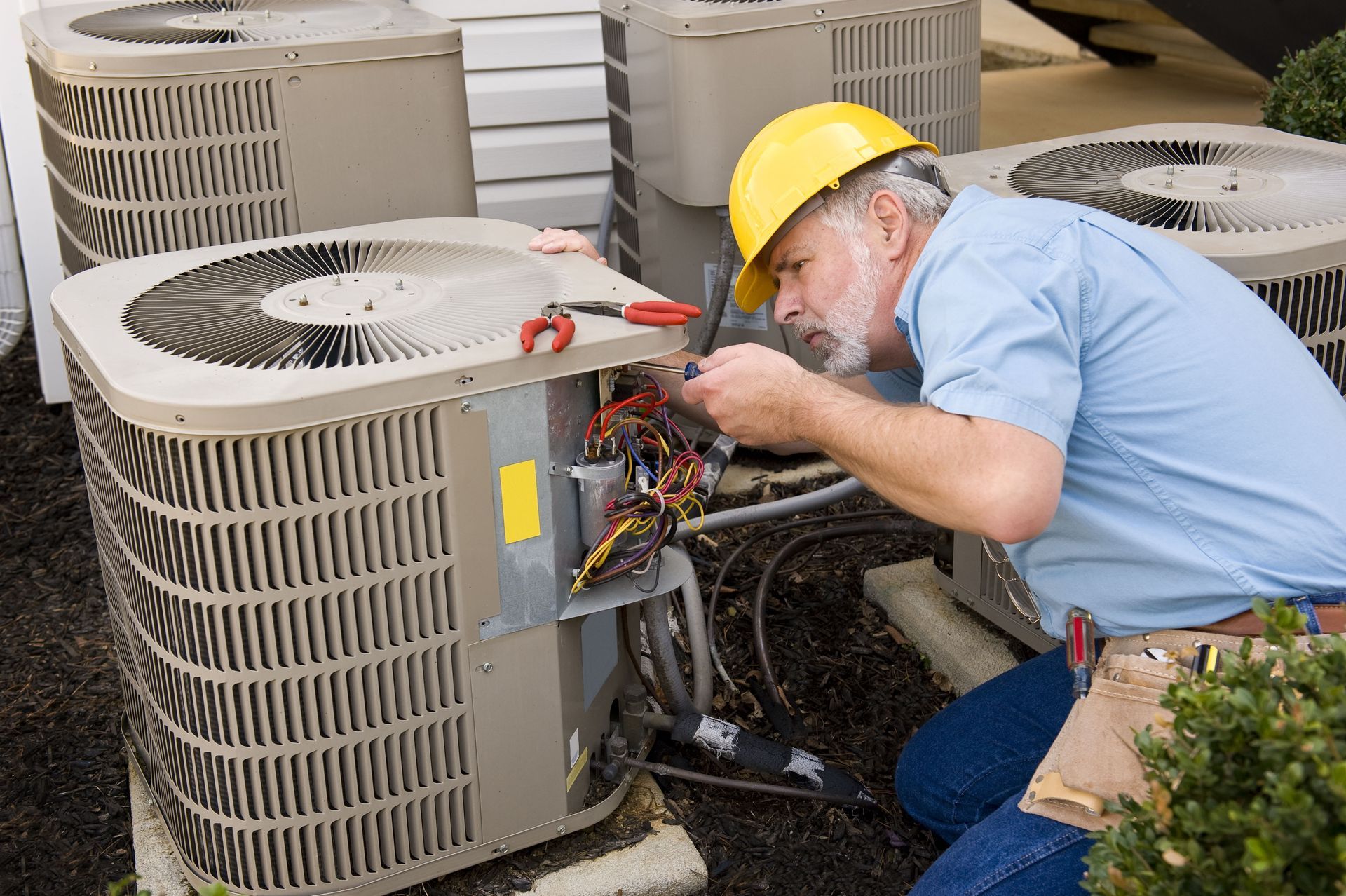
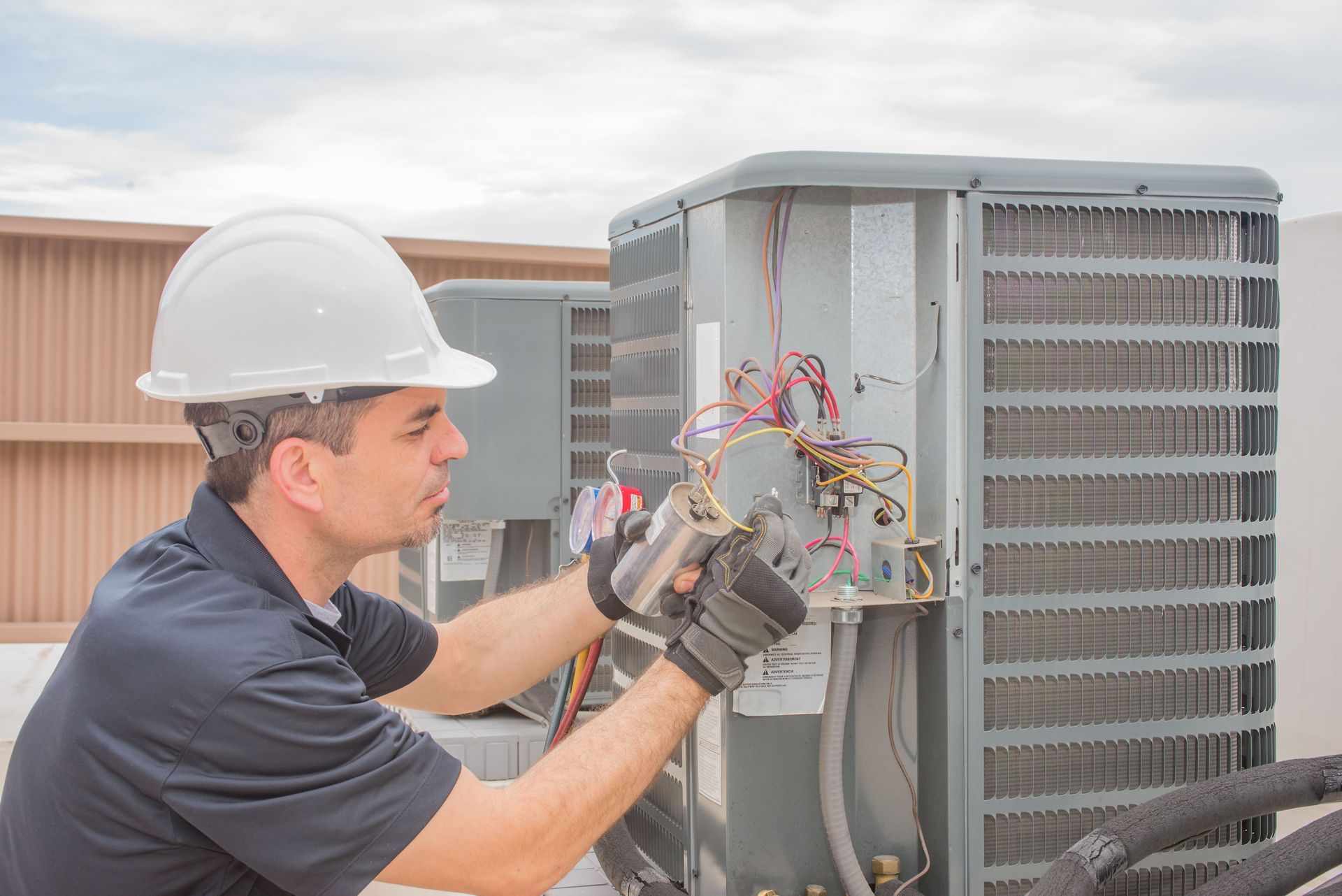
One of the most effective ways a heating and air conditioning service promotes conservation is through the implementation of rigorous maintenance schedules. During a standard service visit, technicians perform a series of technical tasks designed to eliminate friction and resistance within the system. They clean evaporator and condenser coils, which allows for better heat transfer and reduces the amount of work the compressor must perform. When coils are covered in dust or debris, the system must run longer cycles to reach the thermostat setting, which drains excessive electricity. By keeping these components pristine, a service provider ensures the unit uses the minimum amount of energy required to cool or heat the space.
Furthermore, maintenance involves the lubrication of moving parts, such as fan motors and bearings. High friction in these areas creates heat and mechanical resistance, forcing the motor to draw more current. A technician from a heating and air service can identify these minor mechanical strains before they lead to part failure or high energy spikes. Checking refrigerant levels is another critical step, as an undercharged or overcharged system will struggle to maintain temperatures, leading to massive efficiency losses. Through these detailed adjustments, professional oversight ensures that every watt of power consumed by the HVAC unit is used as effectively as possible.
Upgrading to High-Efficiency Technology
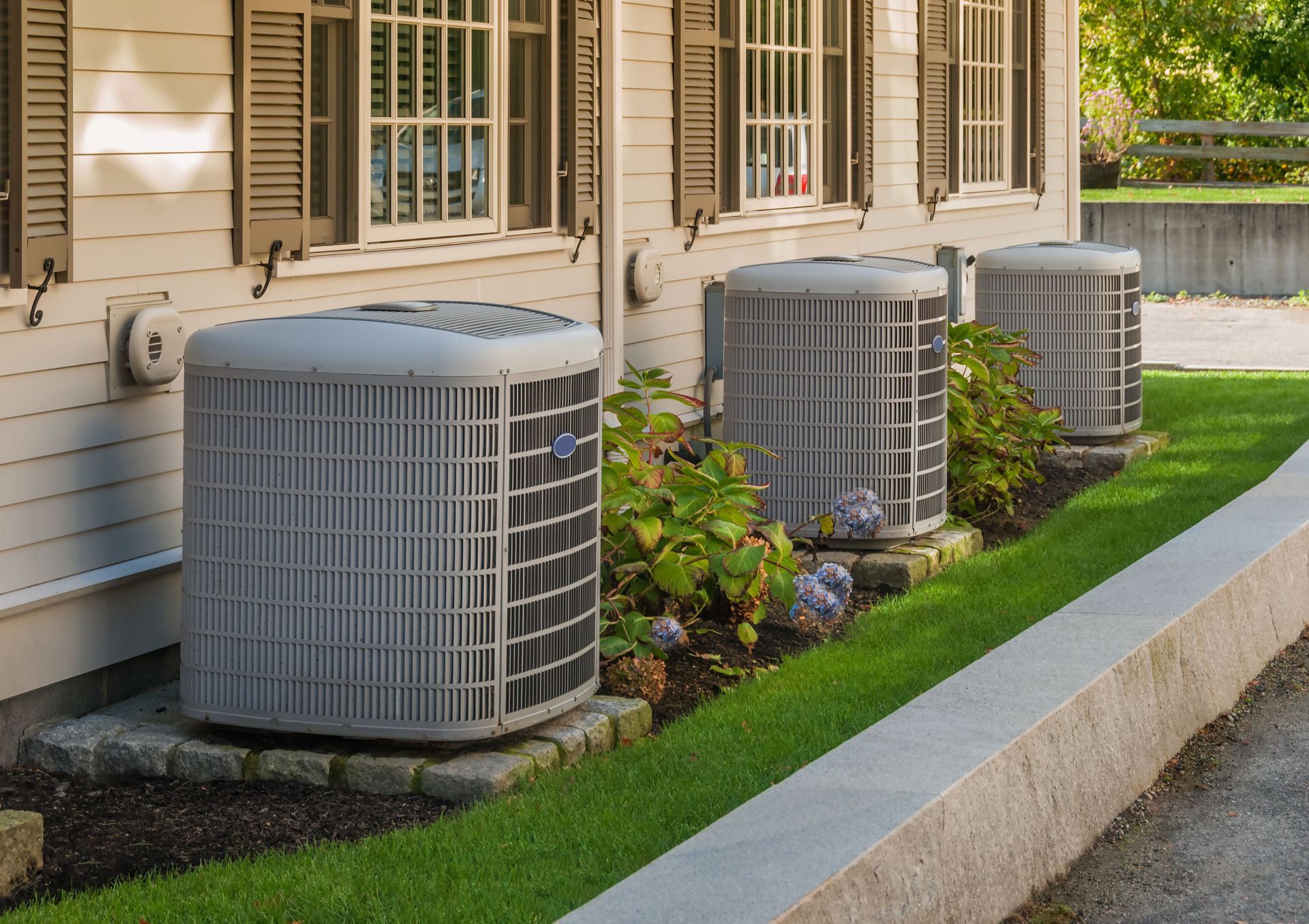
As technology advances, the gap between old HVAC units and modern systems continues to widen in terms of energy consumption. A professional heating and air conditioning service helps consumers navigate the transition from outdated, power-hungry models to contemporary solutions. Modern units are designed with variable-speed motors and advanced compressors that can adjust their output based on the actual needs of the home, rather than running at full blast at all times. According to the U.S. Department of Energy, replacing equipment with higher-efficiency models can reduce energy use by 50%. This statistic highlights the profound impact that technical upgrades can have on a building's overall energy profile.
When a heating and air conditioning service installs a new system, they focus on the Seasonal Energy Efficiency Ratio and other performance metrics that dictate how much cooling or heating is produced per unit of energy. By replacing a unit that is over a decade old, a homeowner can see an immediate and drastic reduction in their carbon footprint. These professionals also ensure that the new system is sized correctly for the specific square footage of the building. An oversized unit will cycle on and off too frequently, a process known as short-cycling, which wastes a tremendous amount of energy during the startup phase. Proper selection and installation are therefore fundamental to achieving the conservation goals of any property.
Optimizing Airflow and Duct Integrity
The distribution of conditioned air is just as important as its production when it comes to saving energy. A heating and air conditioning service provides essential inspections of the ductwork that snakes through the walls and attics of a home. Over time, duct joints can pull apart or develop small holes, allowing expensive conditioned air to escape into unconditioned spaces like crawlspaces or wall cavities. When air leaks out of the ducts, the HVAC system must run for longer durations to compensate for the lost volume, which significantly drives up energy usage. Sealing these leaks ensures that all the air you pay to heat or cool actually reaches the living areas.
In addition to sealing, a heating and air conditioning service can evaluate the overall design of the airflow system. Obstructions in the ductwork or poorly placed vents can create static pressure issues that force the blower motor to work harder than necessary. By balancing the airflow and ensuring that return vents are not blocked, technicians allow the system to breathe easily. This reduction in mechanical stress translates directly into lower energy consumption. Professionals may also recommend aerodynamic improvements or insulation for ducts located in extreme temperature zones, further preventing thermal loss as air travels from the furnace or air handler to the various rooms in the house.
Integrating Smart Control Systems
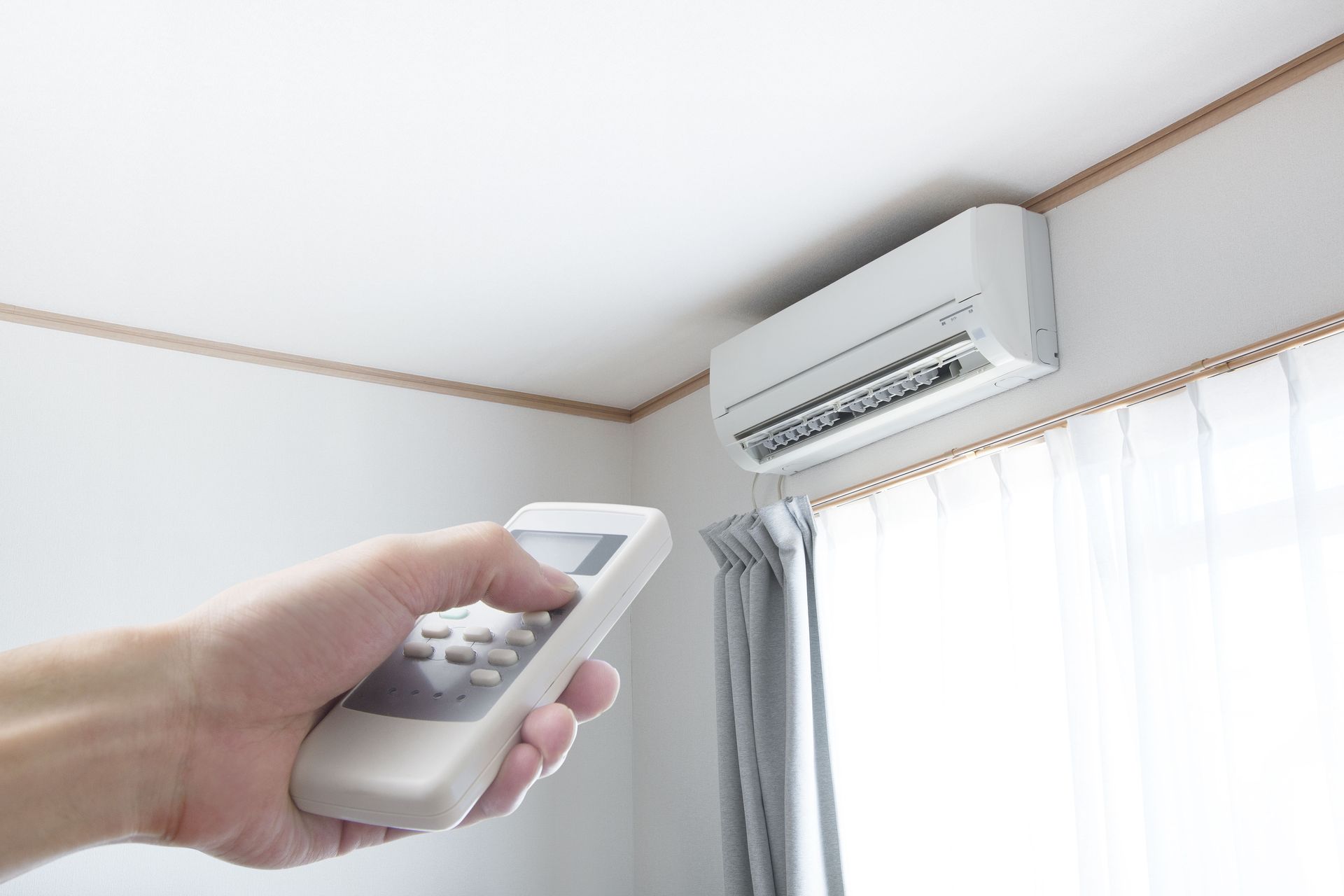
The way a user interacts with their HVAC system has a massive influence on energy conservation, and a heating and air conditioning service facilitates this through the installation of smart controls. Modern programmable and Wi-Fi-enabled thermostats allow for precise scheduling that aligns with the occupants' lifestyles. Instead of cooling an empty house all day, these systems can be set to drift to a more energy-efficient temperature while everyone is at work or school, and then return to a comfortable level just before they arrive home. This automation removes the human error factor, ensuring that the system is never running at full capacity when it is not needed.
Beyond simple scheduling, a heating and air service can set up zoning systems that divide a home into different climate areas. In a traditional setup, the entire house is treated as one zone, meaning you might be cooling unused guest rooms just to keep the master bedroom comfortable. Zoning allows the HVAC system to direct air only to the rooms currently in use, which drastically reduces the workload on the equipment. Smart thermostats also provide energy usage reports, giving homeowners the data they need to make informed decisions about their habits. By leveraging these technological tools, service providers empower users to take an active role in reducing their daily energy demand.
Cleaning and Replacing Filtration Systems
It may seem like a small detail, but the state of the air filters is a major factor in how much power a system consumes. A heating and air conditioning service emphasizes the importance of clean filtration for both air quality and efficiency. When a filter becomes clogged with dust, pet dander, and pollen, it creates a thick barrier that the system must pull air through. This restriction forces the fan motor to work overtime, leading to increased wear and higher electricity bills. In some cases, a severely clogged filter can even cause the system to freeze up or overheat, leading to a total loss of efficiency.
Technicians often provide high-quality filters and teach homeowners how to maintain them between professional visits. During a comprehensive heating and air service, the professional will also check the internal blower wheel and other components that can collect dust. Even a thin layer of buildup on the fan blades can reduce their aerodynamic efficiency, requiring more energy to move the same volume of air. By keeping the entire air path clear and unobstructed, the service ensures that the system operates with the least amount of resistance possible. This focus on clean components is one of the simplest yet most effective ways to promote sustainable energy use in any residential or commercial HVAC application.
The path to a more energy-efficient home is paved with professional expertise and consistent care. From the technical nuances of motor lubrication and refrigerant balancing to the high-level strategy of system replacement and smart technology integration, every action taken by a professional service provider contributes to a larger goal of conservation. Reducing energy waste not only protects our natural resources but also provides significant financial relief through lower utility costs and fewer emergency repairs. By prioritizing the health and efficiency of your HVAC equipment, you are making a conscious investment in the future of your property and the environment. Contact Richard Electric Company, Inc today to learn more about our comprehensive solutions and how we can help you optimize your home for maximum energy savings.
Share On: