Know When to Schedule a Heating and Air Conditioning Check-Up
Reliable indoor comfort depends on equipment that handles seasonal temperature changes. Regular professional inspections help identify concerns, maintain performance, and prepare for extreme weather. Scheduling a heating and air conditioning check-up before problems arise can prevent disruptions. Seasonal changes, unusual equipment behavior, and system age may signal a need for service, helping homeowners plan maintenance and make informed decisions about their comfort systems.
Schedule an Inspection Before Seasonal Changes
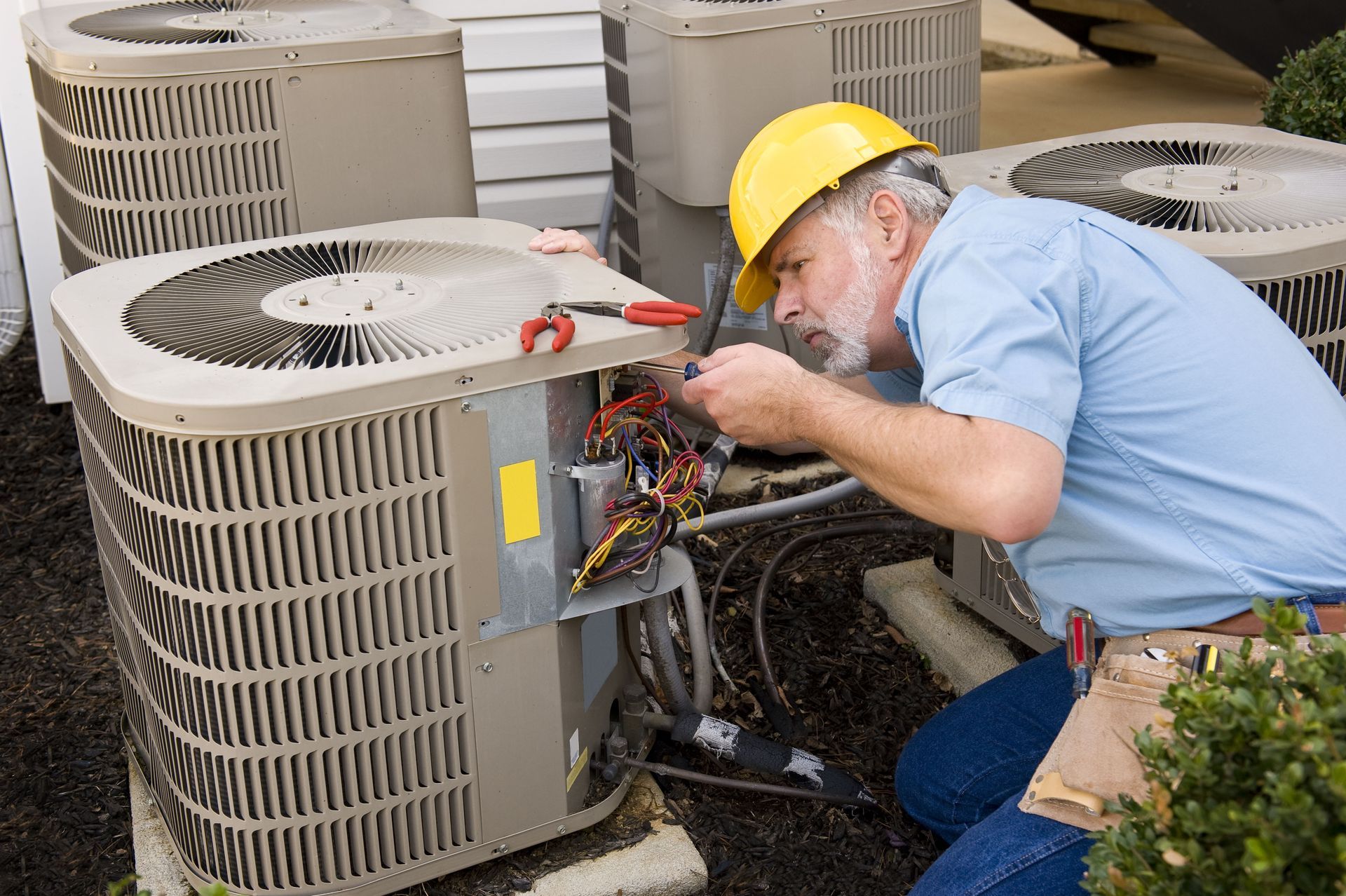
Spring and fall are practical times to arrange a professional system inspection because they fall between periods of peak cooling and heating demand. A spring appointment gives a technician an opportunity to assess the cooling system before summer temperatures rise. A fall visit helps prepare heating equipment for colder weather, when a dependable indoor environment becomes especially important.
Planning ahead may also provide more flexibility when choosing an appointment. During the first major heat wave or cold snap, service providers may experience increased demand as homeowners respond to unexpected breakdowns. Arranging maintenance before those periods can help you prepare without waiting until uncomfortable indoor temperatures become a concern.
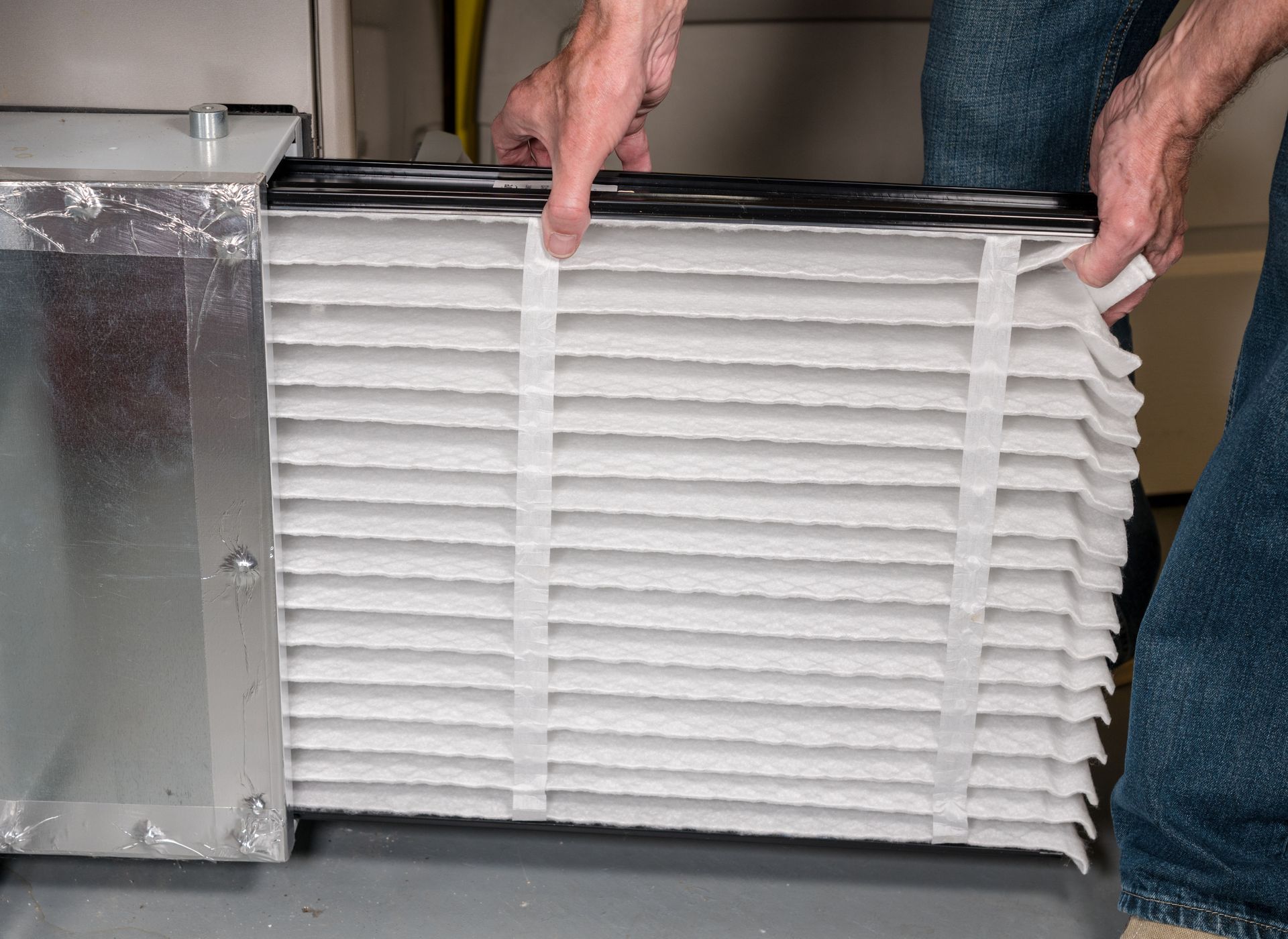
A seasonal appointment is useful even when the system appears to operate normally. Some developing issues are not immediately noticeable during everyday use. A qualified technician can inspect relevant components, assess system operation, and identify concerns that may warrant attention. The appropriate maintenance schedule depends on the equipment type, manufacturer recommendations, and the property's specific needs.
Recognize Changes in System Performance
Changes in indoor comfort can indicate that a system needs professional evaluation. Rooms that remain unusually warm or cold, inconsistent airflow, or difficulty reaching the thermostat setting may point to an issue with the equipment or its supporting components. These symptoms do not always indicate a major repair, but they deserve attention when they persist.
Unusual sounds can also provide an early warning. New rattling, buzzing, grinding, or repeated clicking may indicate that a component requires inspection. Likewise, unfamiliar odors, frequent cycling, or equipment that runs much longer than usual can signal a change in operation. Homeowners should avoid ignoring recurring symptoms simply because the system continues to produce some warm or cool air.
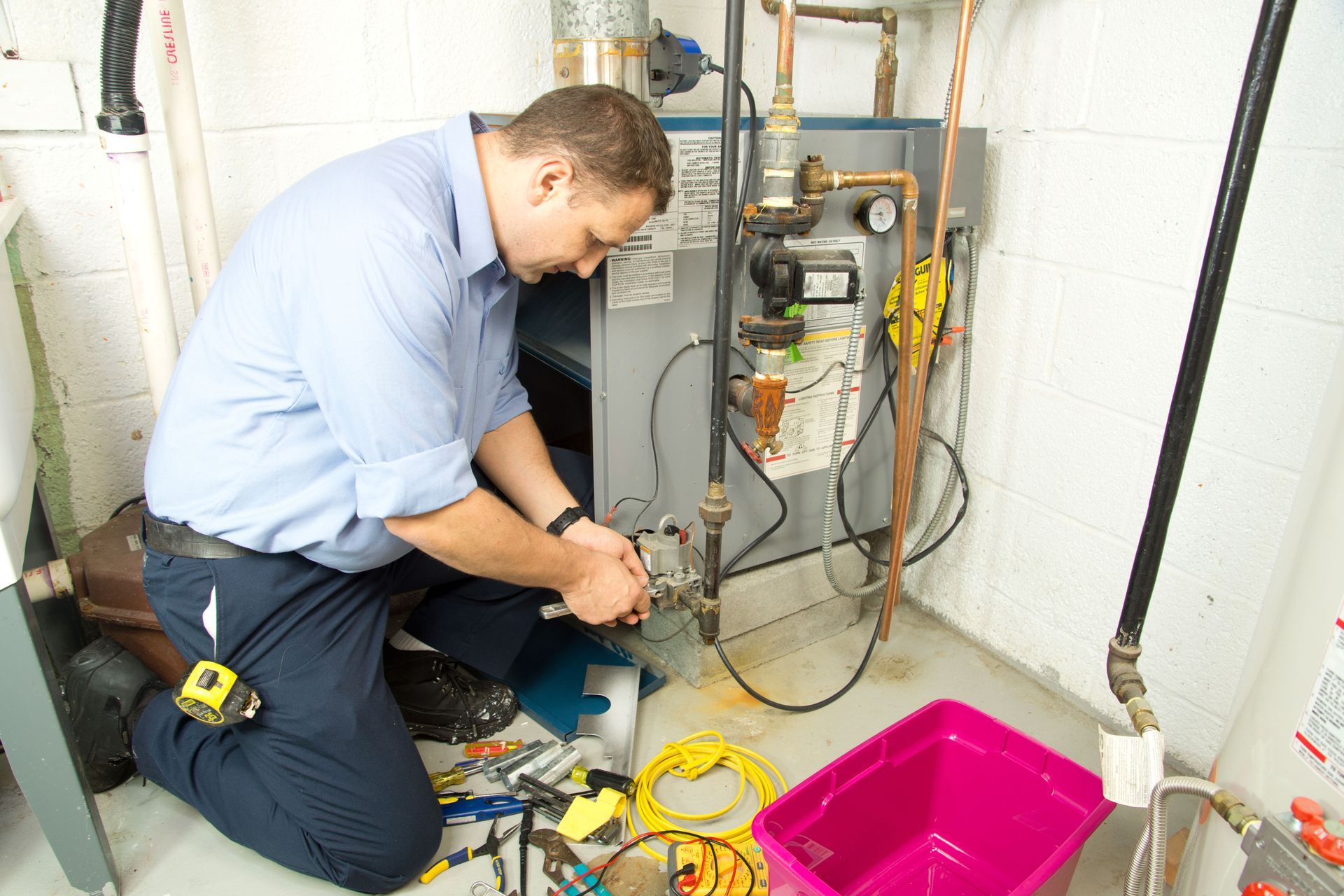
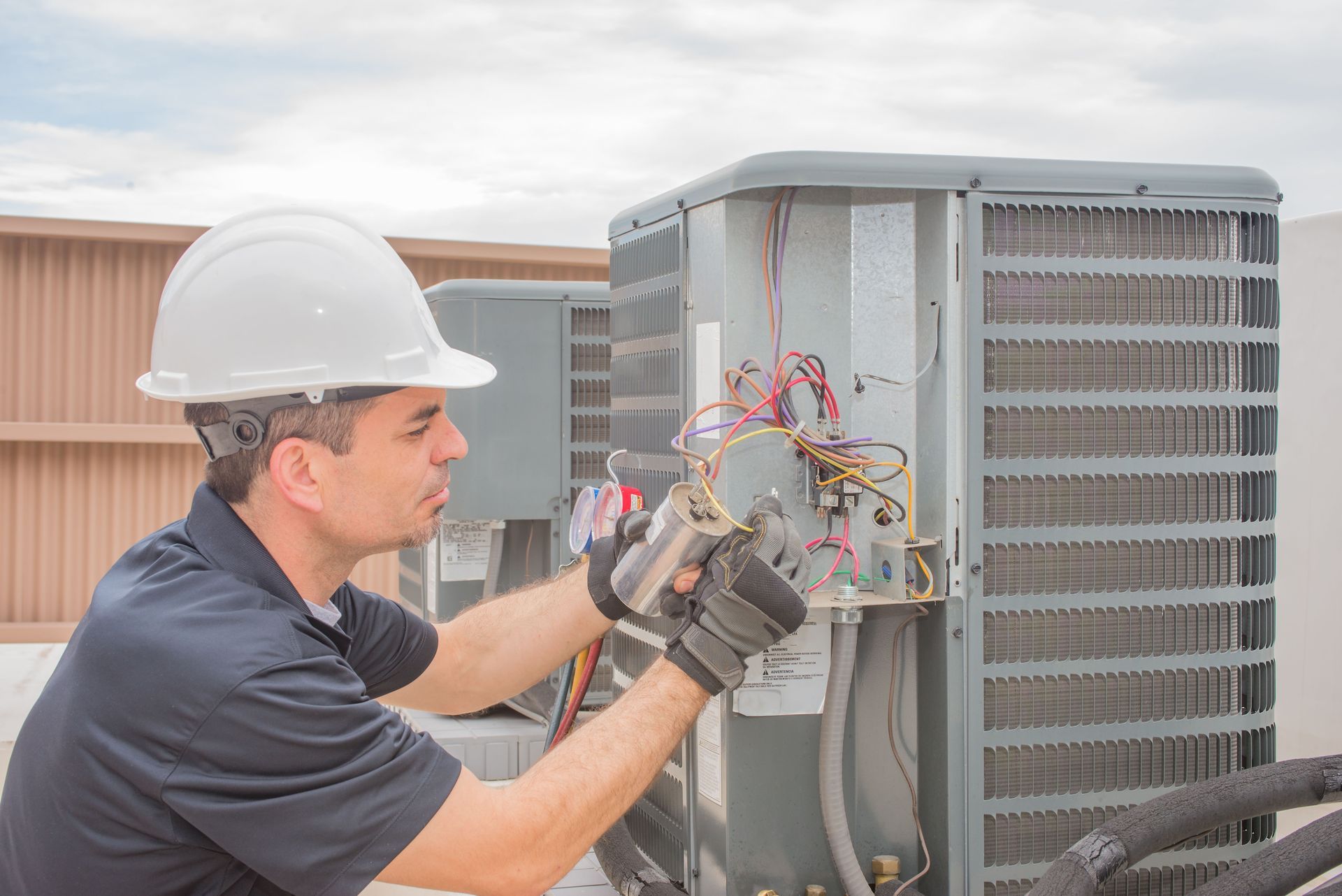
When these changes appear, arranging a heating and air conditioning inspection can help clarify what is happening. A trained professional can evaluate the equipment, determine whether a repair is necessary, and explain the available options. Sharing when the symptoms began and whether they occur consistently can help the technician understand the concern. Prompt assessment may prevent a minor performance issue from interfering with comfort for an extended period.
Monitor Energy Use and Monthly Bills
A noticeable increase in utility costs can be another reason to schedule a system assessment. Seasonal weather and changing household routines can affect energy consumption, so a higher bill does not automatically mean equipment is failing. However, when costs rise without an obvious explanation, a professional inspection can help determine whether the system is operating as expected.
Equipment that struggles to maintain the requested temperature may run for longer periods, increasing energy use. Restricted airflow, worn components, control issues, or other equipment concerns can affect performance. The cause varies by system, which is why an inspection is more useful than assuming a single problem is responsible.
A heating and air conditioning check-up can provide an opportunity to review system operation and identify possible areas of concern. A technician may also discuss maintenance recommendations that suit the equipment and household. Although no inspection can guarantee lower utility bills, addressing verified problems and following manufacturer guidance can support consistent performance over time.
Consider the Age of Your Equipment
The age of your equipment is an important factor when deciding whether to schedule service. Older systems may require closer attention as components experience normal wear, and recurring repairs can make it harder to maintain dependable comfort. However, age alone does not determine whether a unit needs replacement. Its condition, repair history, operating performance, and the availability of suitable parts all matter.
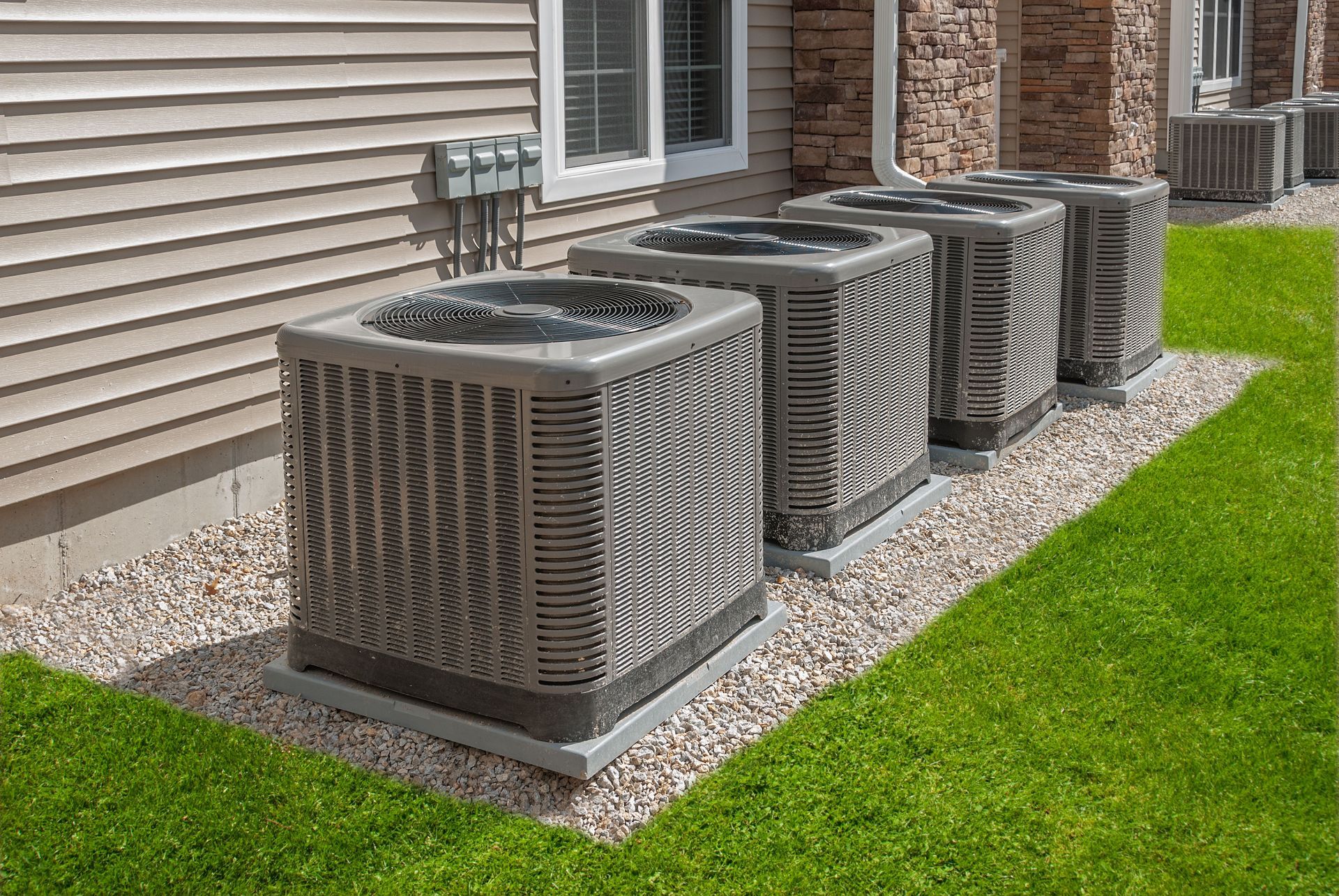
According to HomeGuide, a properly maintained air conditioner generally has an expected lifespan of about 12 to 15 years. Actual service life varies with usage, installation quality, environmental conditions, and maintenance history. This estimate can help homeowners think about long-term planning, but it should not be treated as a fixed expiration date for every system.
For aging equipment, professional evaluations help assess condition, identify maintenance or repair needs, and determine whether replacement planning makes sense. Keeping service records also helps track recurring issues and supports informed decisions before unexpected breakdowns occur.
Respond to Airflow and Temperature Problems
Uneven temperatures throughout the home can make everyday activities less comfortable. One bedroom may feel stuffy while another stays cool, or the system may struggle to maintain a consistent setting during particularly hot or cold weather. These differences can have several causes, including airflow restrictions, thermostat concerns, ductwork issues, or equipment performance problems.
Pay attention to whether the issue affects one room or the entire property. Note when the temperature difference occurs and whether it changes as outdoor conditions shift. This information can help a technician investigate the problem more effectively. Avoid assuming that changing the thermostat repeatedly will resolve an underlying equipment concern.
A professional heating and air conditioning assessment can help identify why certain rooms are not reaching the expected temperature. Depending on the findings, the technician may recommend a repair, an adjustment, or further evaluation of the system. Clear explanations can help you understand the available choices and decide which next steps best suit your home.
Arrange Service After Unusual Events
Certain events can create a reason to request an inspection outside your usual seasonal schedule. A power interruption, electrical disturbance, severe storm, or unexpected shutdown may affect equipment operation. If the system behaves differently after such an event, professional evaluation can help establish whether it is safe and functioning properly.
Pay attention to warning signs such as repeated breaker trips, burning odors, visible damage, or equipment that will not start. Do not repeatedly reset a breaker or continue operating equipment when electrical trouble is suspected. If you notice smoke or an active fire hazard, leave the area and contact emergency services. Otherwise, arrange qualified service to assess the concern before using affected equipment again.
Because comfort systems rely on electrical components and controls, an inspection may also help determine whether the issue involves the equipment or its electrical supply. Richard Electric Company, Inc can be contacted through its website to discuss service needs and determine an appropriate next step for your home.
Maintain a Consistent Service Schedule
A dependable maintenance routine makes it easier to prepare for seasonal changes and recognize when equipment needs attention. Follow the manufacturer's maintenance guidance and ask a qualified technician how often your particular system should be inspected. Some equipment types have different requirements, so a schedule suited to your installation is more useful than assuming every household needs identical service.
Between professional appointments, homeowners can pay attention to changes in comfort, noise, airflow, and energy use. Keep track of recurring symptoms and share those observations when arranging service. This approach does not replace professional maintenance; it helps you communicate concerns clearly and notice when the system's normal behavior changes.
Scheduling heating and air conditioning service before peak seasons, responding to unusual symptoms, and considering equipment age can help you plan ahead instead of waiting for an urgent problem. A consistent approach also makes it easier to keep maintenance records and discuss future needs with a service professional.
If your system is due for an inspection or has started showing signs of changing performance, contact Richard Electric Company, Inc to discuss your service needs and schedule a professional check-up.
Share On: