Why One Room Is Always Too Hot or Too Cold (And What a Technician Looks For)
Uneven temperatures throughout a home can make it difficult to maintain comfortable living conditions. One bedroom may feel unusually warm while another remains cold, even when the thermostat is set consistently. These differences often point to underlying HVAC problems involving airflow, insulation, ductwork, or equipment performance.
Identifying the cause requires more than adjusting the thermostat. Professional technicians examine the home's construction, evaluate airflow, and use specialized equipment to locate problems. Understanding these factors can help homeowners recognize when professional heating and cooling assistance is needed.
Understanding Room Temperature Differences
Several factors influence how evenly heated and cooled air moves throughout a home. Room size, ceiling height, window placement, insulation, and airflow patterns all affect indoor temperatures. When these elements are not properly accounted for, certain rooms may become noticeably warmer or colder than others.
Airflow is particularly important because HVAC systems rely on consistent circulation to distribute conditioned air. Obstructed vents, furniture placement, and poorly designed ductwork can interfere with that process. During heating and air conditioning service, technicians evaluate airflow to determine whether each room receives enough conditioned air.
Humidity can also influence how occupants perceive indoor temperatures. High humidity may make a room feel warmer, while low humidity can make cooler conditions more noticeable. Technicians may evaluate humidity levels alongside temperature readings to better understand indoor comfort problems.
Understanding Insulation and Heat Transfer
Insulation helps regulate heat movement between indoor and outdoor environments. Rooms with inadequate insulation may lose heat during winter or absorb excessive heat during summer. These differences can make certain areas difficult to keep comfortable, even when HVAC equipment operates normally.
Windows, exterior doors, walls, and ceilings are common areas where insulation deficiencies affect temperature consistency. Damaged seals and poorly insulated materials can allow unwanted heat transfer and drafts. Technicians may use infrared imaging to identify temperature variations that suggest insulation problems or air leakage.
According to Contractormag.com, heating and cooling system failures topped the list of reported emergencies in the previous year at 30%, based on a 2025 survey of more than 2,500 Americans. This finding highlights how frequently homeowners experience problems with essential heating and cooling equipment. Regular heating and air conditioning service can help identify developing problems before they cause unexpected disruptions.
Understanding Room Layout and Sun Exposure
Architectural features can contribute to uneven temperatures throughout a home. Rooms with high ceilings may experience heat accumulation near the ceiling, leaving the occupied portion of the space cooler. Similarly, rooms above garages or near exterior walls may experience greater temperature fluctuations because of their exposure to outdoor conditions.
Sun exposure is another important consideration. Rooms with large south- or west-facing windows may become significantly warmer during sunny afternoons, while shaded rooms may remain cooler. Technicians consider these differences when evaluating heating and cooling performance.
Identifying Common HVAC Problems
Ductwork distributes heated and cooled air throughout a home, making its condition essential to consistent indoor temperatures. Leaks, disconnected sections, and improperly sized ducts can prevent conditioned air from reaching certain rooms. As a result, some areas may receive significantly less heating or cooling than others.
Poorly designed duct systems can also create imbalances between rooms. Long duct runs, restrictive bends, and improperly positioned branches may reduce airflow before it reaches distant areas. Technicians inspect connections, measure airflow, and evaluate system pressure to identify these problems.
Professional heating and air conditioning service often includes evaluating ductwork to determine whether repairs or improvements are necessary. Correcting duct problems can improve comfort while reducing unnecessary energy loss. A properly functioning distribution system allows HVAC equipment to deliver conditioned air more consistently.
Thermostat location can significantly influence how an HVAC system responds to indoor temperatures. If a thermostat is installed near a sunny window, exterior door, or heat-producing appliance, it may register temperatures that do not represent the rest of the home. This can cause equipment to run too frequently or shut off before other rooms reach comfortable conditions.
Calibration is equally important because inaccurate temperature readings can interfere with system operation. Technicians check thermostat performance and verify that equipment responds appropriately to temperature settings. Smart thermostats and additional temperature sensors may also provide more precise control throughout the home.
Zone control systems divide a home into separate areas, allowing occupants to manage temperatures independently. These systems use dampers, thermostats, and control panels to direct conditioned air where it is needed. When one component malfunctions, certain rooms may receive too much or too little airflow.
A damaged damper may remain partially open or closed, preventing the system from distributing air correctly. Faulty sensors and control boards can also cause inconsistent operation between zones. Technicians examine these components to identify the source of the imbalance and determine which repairs are necessary.
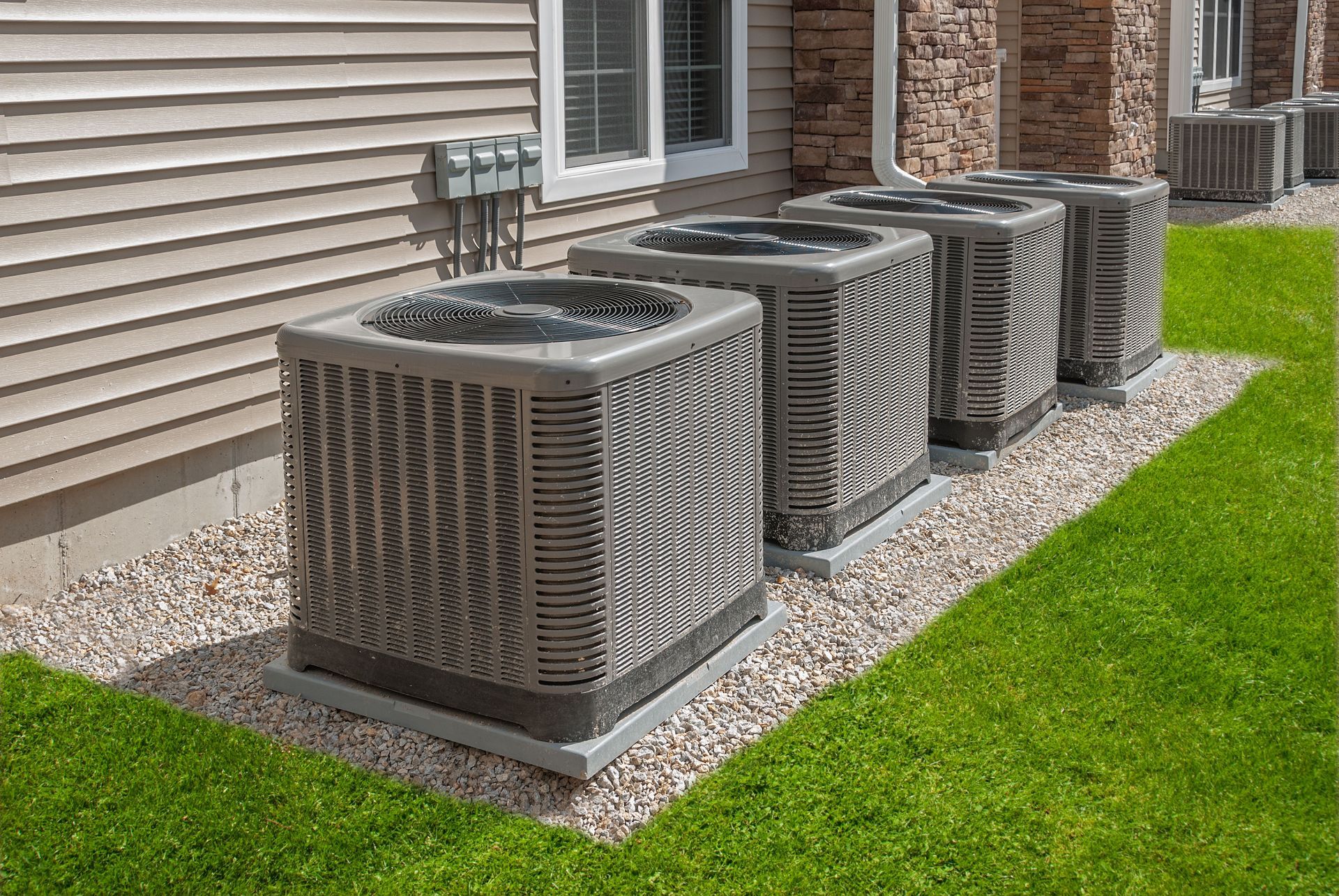
An HVAC system must have sufficient capacity to meet a building's heating and cooling demands. Equipment that is too small may struggle to maintain comfortable temperatures during extreme weather, while oversized equipment may cycle on and off too frequently. Both situations can contribute to inconsistent indoor temperatures.
Technicians use load calculations to determine appropriate equipment capacity. These calculations account for square footage, insulation, window placement, ceiling height, and climate. Proper system sizing helps maintain reliable performance and consistent comfort.
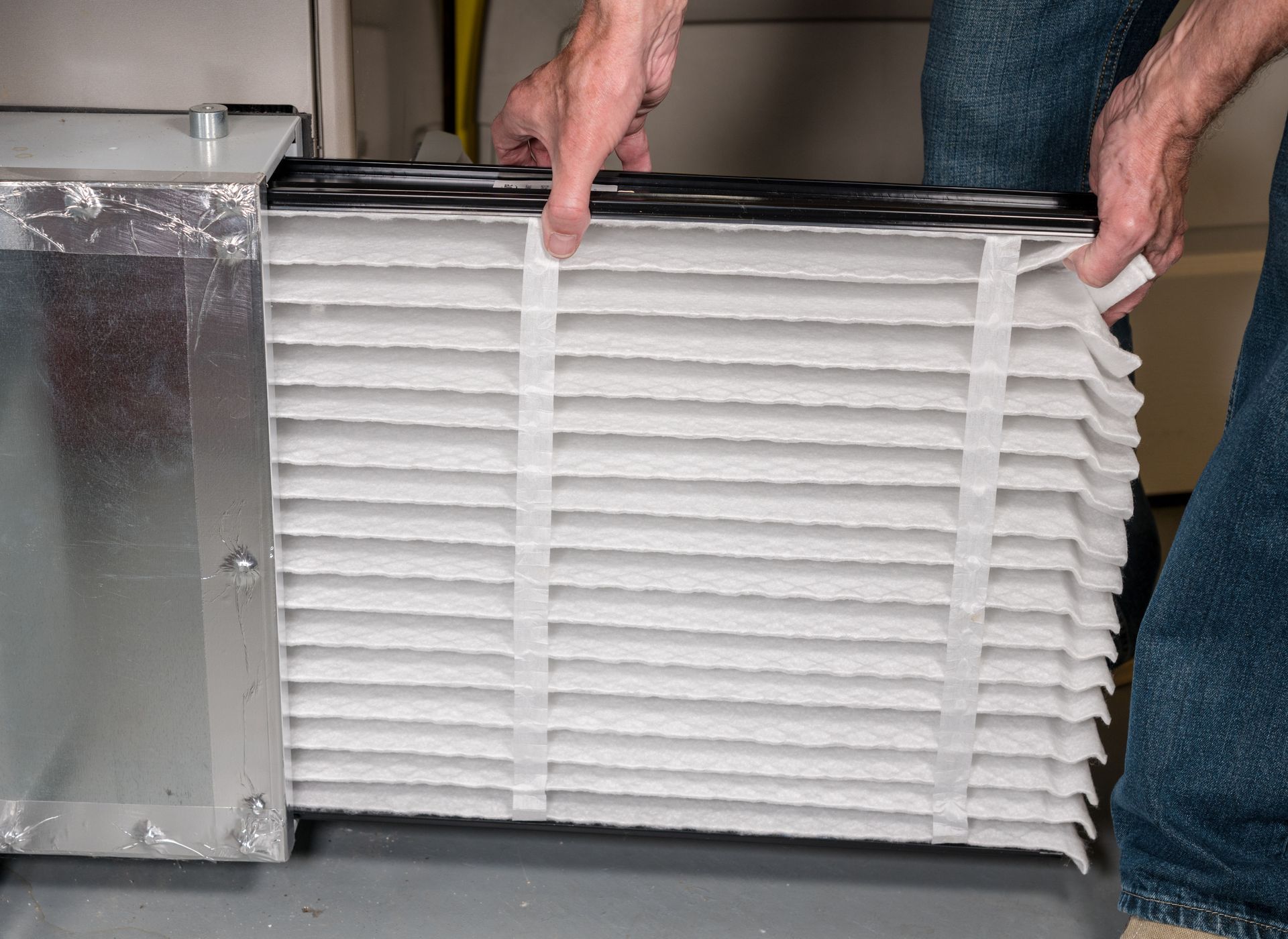
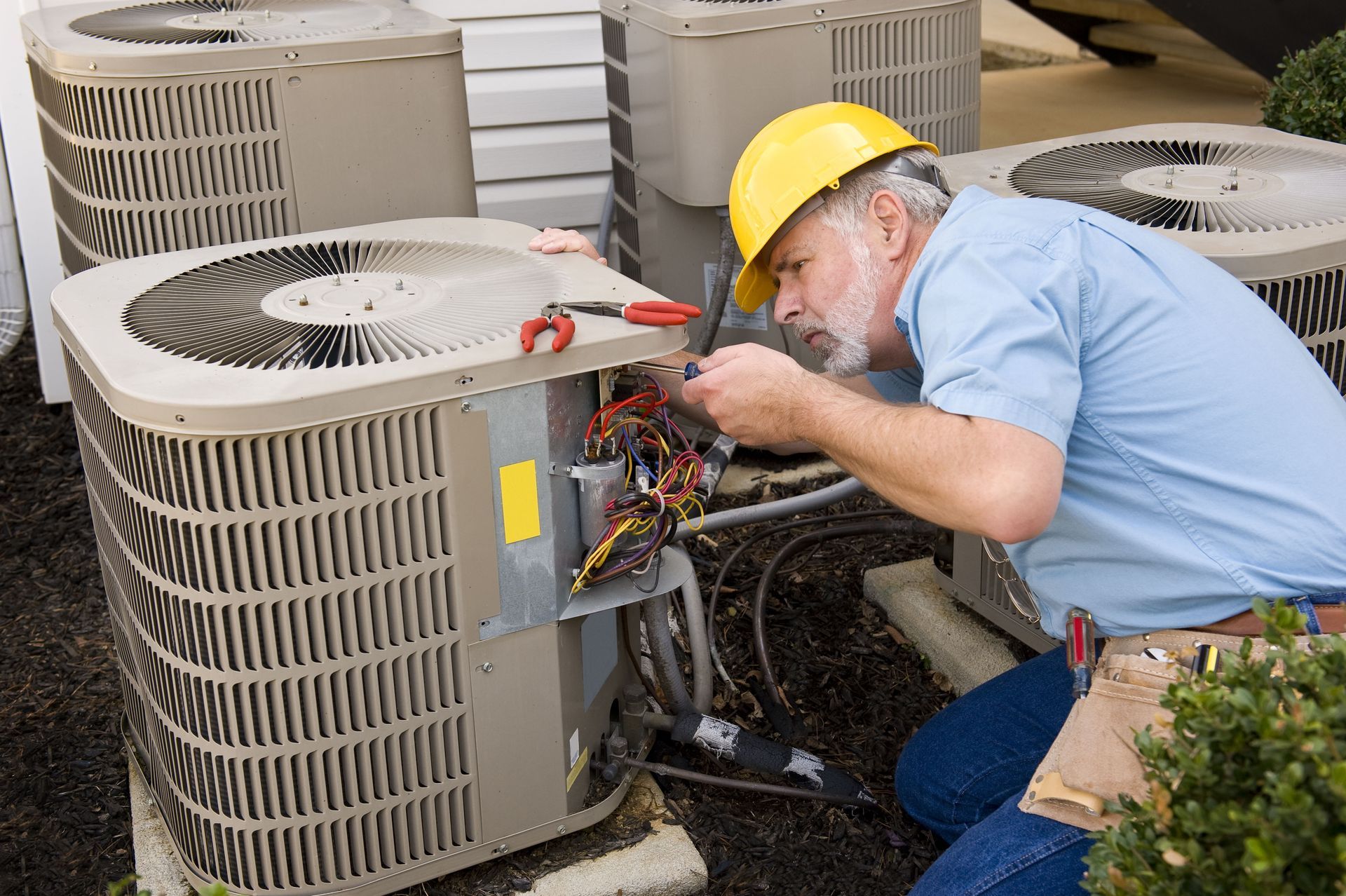
Over time, HVAC components experience normal wear that can affect system performance. Dirty filters, clogged coils, worn blower motors, and deteriorating electrical connections may reduce heating and cooling capacity. Routine heating and air conditioning service allows technicians to inspect these components and identify developing problems before they become more expensive repairs.
Understanding HVAC Diagnostic Tools
Infrared technology helps technicians identify temperature differences across walls, ceilings, floors, and other surfaces. These instruments detect heat patterns that may indicate insulation deficiencies or air leakage. Infrared cameras produce thermal images that help technicians locate unusual temperature patterns around windows and exterior walls.
Airflow meters measure how quickly air moves through HVAC registers and duct openings. These readings help technicians determine whether individual rooms receive adequate conditioned air. When one room has significantly lower airflow than others, the results may indicate duct restrictions, leaks, or equipment problems.
Pressure gauges provide information about conditions within HVAC ductwork and equipment. Unusual static pressure readings may indicate restricted airflow, dirty filters, blocked ducts, or other system problems. When combined with airflow measurements, pressure readings provide a clearer picture of overall system performance.
Understanding the Importance of Professional Inspections
Temperature differences between rooms can have several overlapping causes, making accurate diagnosis important. A problem that appears to involve the thermostat may actually originate from ductwork, insulation, equipment capacity, or zone controls. Addressing only the most obvious symptom may leave the underlying issue unresolved.
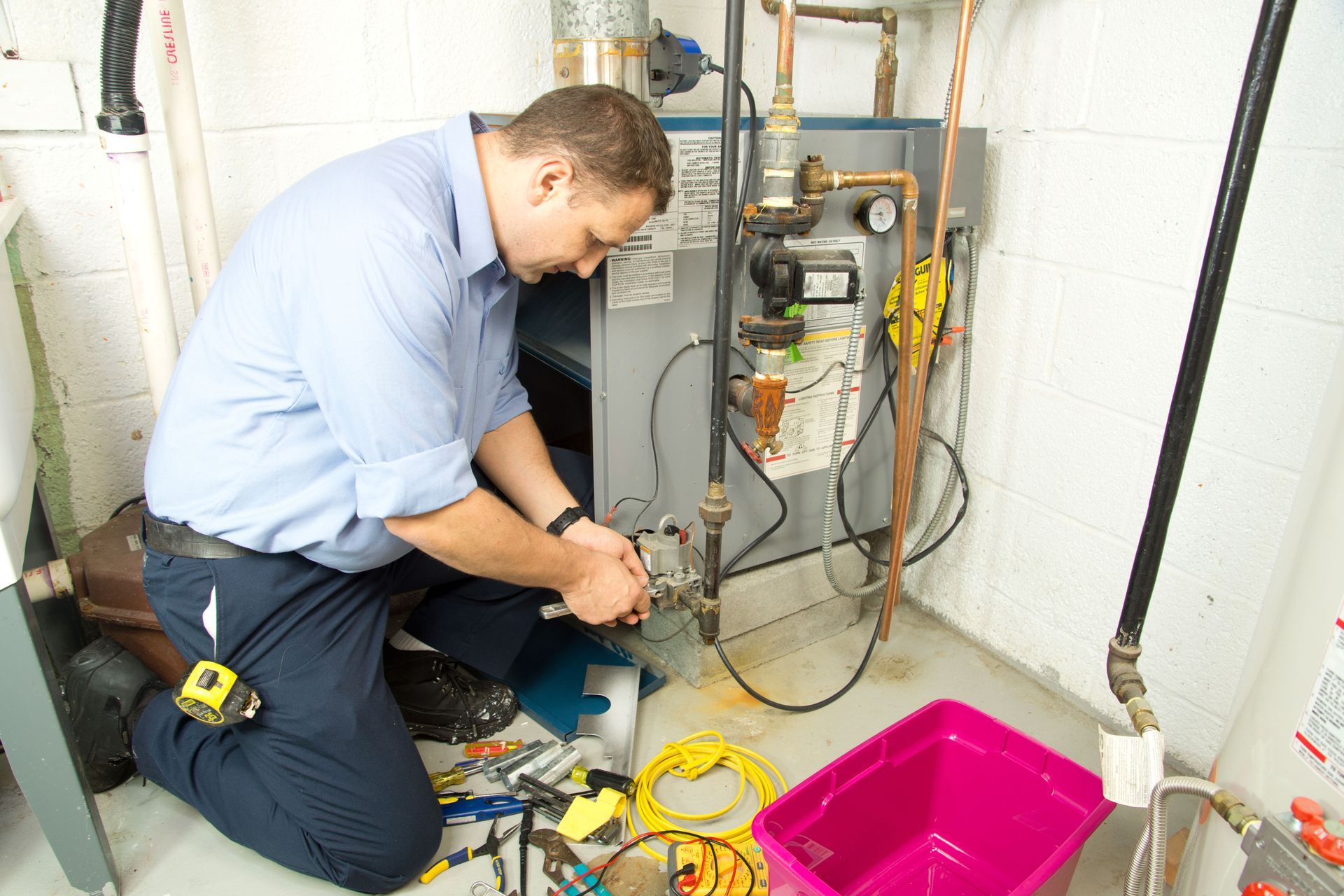
Professional heating and air conditioning service provides a comprehensive evaluation of the equipment and distribution system. Technicians can identify mechanical problems, measure airflow, test electrical components, and evaluate how different parts of the home respond to heating and cooling cycles. Their findings help determine which improvements will have the greatest effect on indoor comfort.
Regular inspections are also important because HVAC problems do not always begin with complete system failure. Reduced airflow, unusual operating cycles, inconsistent temperatures, and rising energy consumption may indicate developing concerns. Identifying these warning signs early can help homeowners avoid unexpected disruptions. Scheduling regular heating and air conditioning service can also help identify developing problems before they lead to inconsistent temperatures or unexpected system failures.
Restoring Consistent Comfort Throughout Your Home
A room that is always too hot or too cold often signals an underlying heating or cooling problem. Ductwork deficiencies, thermostat issues, insulation concerns, equipment sizing, and worn components can all interfere with temperature consistency. Determining the actual cause requires a professional evaluation of the HVAC system.
Richard Electric Company, Inc. can help homeowners address heating and cooling concerns through professional service and system evaluations. If certain rooms never seem to reach a comfortable temperature, scheduling an inspection can help identify the problem and explore appropriate solutions. Contact Richard Electric Company, Inc. to discuss your heating and cooling needs and learn how professional heating and air conditioning service can help restore dependable indoor comfort.
Share On: